
Best Time to Visit Sri Lanka
A year-round tropical island with two alternating sunny coastal seasons.
Match your travel dates to the ideal coast and experience:
South & West Coast + Hills
Dry blue skies, calm swimming waters, blue whale expeditions, and peak leopard safaris in Yala.
Best for: Galle, Mirissa, Tangalle, Ella, Yala
Weather: 29°C to 31°C, sunny & dry
East Coast & Cultural Triangle
Drier eastern beaches, snorkeling at Pigeon Island, and large elephant herds in Minneriya.
Best for: Trincomalee, Pasikuda, Sigiriya, Minneriya
Weather: 30°C to 33°C, sunny beaches
Lush Green Season
Emerald tea hills, rushing waterfalls, unhurried temple visits, and best value for boutique luxury stays.
Best for: Tea bungalows, culture, quiet journeys
Weather: 28°C to 30°C, lush showers
Click a Month to See Typical Weather, Monsoons & Highlights
Typical conditions for planning, not a live forecast. Monsoon periods follow the Sri Lanka Department of Meteorology; rainfall, sunshine and sea figures are rounded estimates for the region named and vary by place and year.
January
Peak Sun & WhalesSouth & West Peak Season | Coastal: 29°C to 31°C | Hills: 16°C to 20°C
Rainfall is concentrated in the north and east. The south coast, west coast, and central tea hills are in peak dry sunshine.
Precipitation category: Dry Peak
Varies by region and cloud cover
Usually calm on the south coast, good for whale trips. Boat trips can be cancelled for safety.
Galle, Mirissa, Tangalle, Yala & Tea Highlands
Dry blue skies, calm ocean waters on the south coast, and crisp, sunny mornings in the tea mountains.
- Mirissa blue whale and spinner dolphin watching on calm seas
- Dawn leopard tracking in Yala and Wilpattu
- Scenic highland rail between Kandy and Ella under clear skies
Side-by-side comparison of Sri Lanka's two main coastal travel zones:
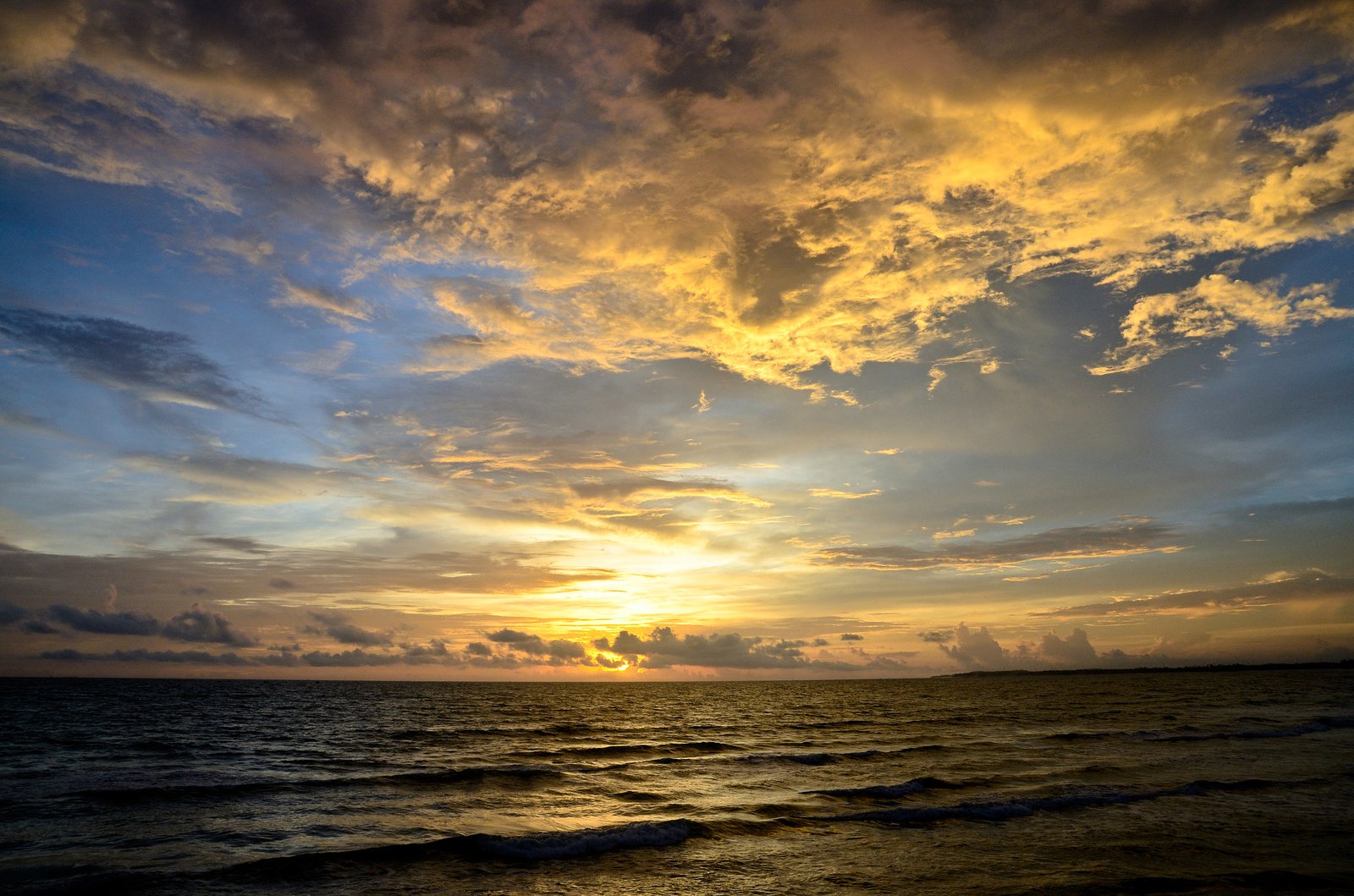
Southern Beaches & Tea Highlands
Sunny, warm coastal coves, calm sea for boat charters and whale watching, and dry morning skies for mountain railway journeys.
Temperature: 28°C to 31°C coastal / 16°C to 21°C highlands
Sea State: Calm and swimmable
Corridor: Colombo → Galle → Mirissa → Tangalle → Yala → Ella → Kandy
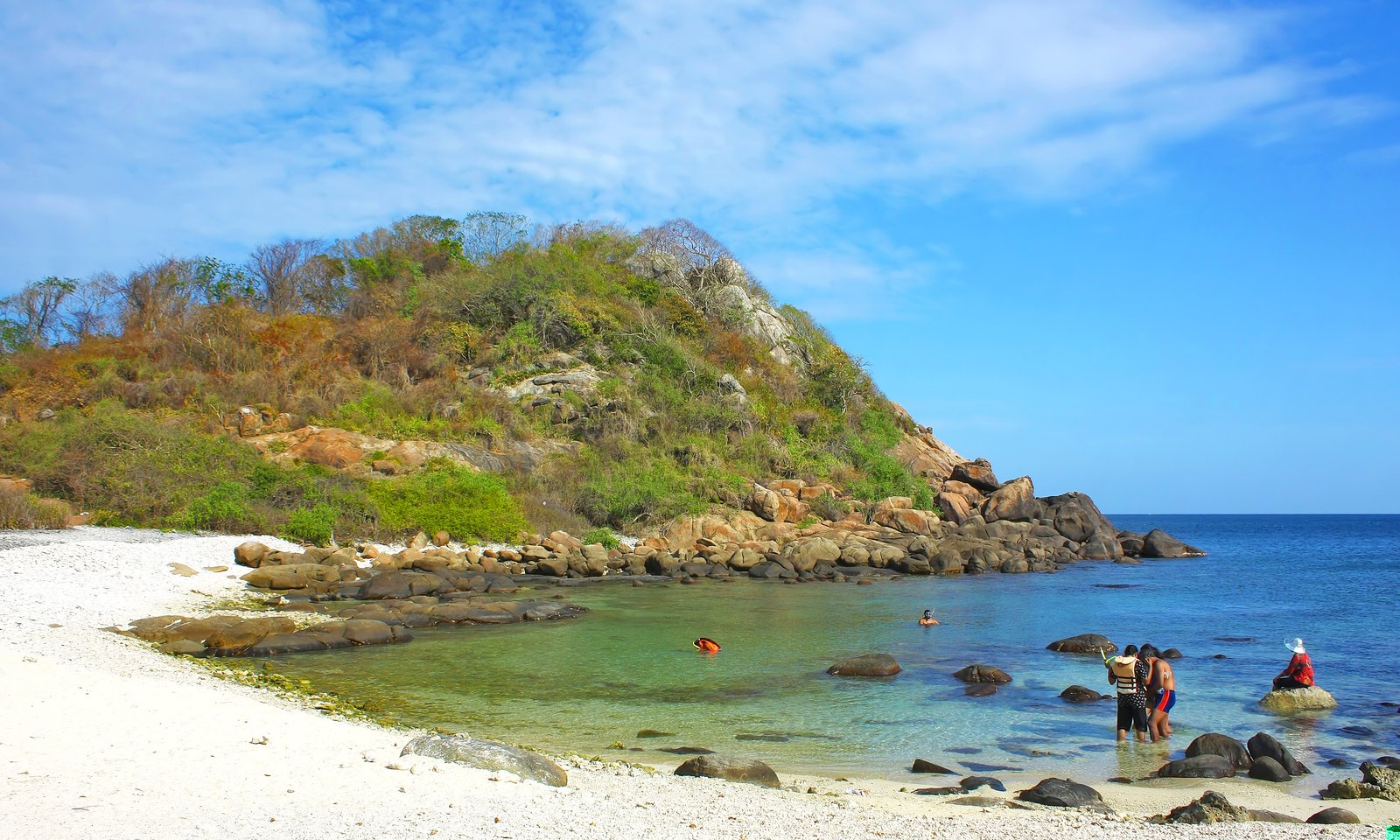
Eastern Coral Reefs & Ancient Citadels
Mostly dry beach weather on the east coast, usually clear water on shallow reefs, and dry skies for Sigiriya rock climbs.
Temperature: 30°C to 33°C east coast / 26°C to 30°C cultural plains
Sea State: Usually calm, clear snorkeling waters
Corridor: Cultural Triangle → Sigiriya → Minneriya → Trincomalee → Pasikuda
Prime Calendar for Iconic Experiences
Plan your itinerary around Sri Lanka's natural wonders:
| Experience | Prime Months | Region |
|---|---|---|
| Blue Whales & Dolphins | December to April | Mirissa & Kalpitiya |
| Leopard Safaris | February to July | Yala & Wilpattu |
| The Great Elephant Gathering | July to October | Minneriya National Park |
| Scenic Highland Railway | Year-Round (Best: Jan to Apr) | Kandy to Ella |
| Coral Reef Snorkeling | May to September | Trincomalee (Pigeon Island) |
| Adam's Peak Night Ascent | December to May | Central Highlands (Sri Pada) |
Sources & Important Notes
- Sri Lanka has four rainfall seasons: First Inter-Monsoon (March–April), Southwest Monsoon (May–September), Second Inter-Monsoon (October–November) and Northeast Monsoon (December–February).
- Inter-monsoon thunderstorms can bring afternoon rain almost anywhere, including the hill country and the Cultural Triangle.
- October and November are often wet across several regions, not just one coast.
- Rainfall, sunshine and sea figures on this page are rounded planning estimates, not official measurements. Weather varies by location and year, so check the latest forecast before you travel.
- Wildlife sightings are never guaranteed, and boat operators may cancel trips when sea conditions are unsafe.
Sources
- Sri Lanka Department of Meteorology (forecasts and seasons)
- Department of Census and Statistics: Statistical Abstract 2023, Chapter 1 (rainfall seasons)
- Sri Lanka Tourism: Weather in Sri Lanka
Last updated: November 14, 2026
Request a Custom Quote for January 2027
Tell us your preferences. We will plan a private route that suits the season, with backup options if the weather changes.
Prefer to chat?
WhatsApp +94 76 017 5554Or write to us
Know your exact dates? Add them in the notes on step 3.